[fusion_dropcap boxed="yes" boxed_radius="0" class="fusion-content-tb-dropcap"]P[/fusion_dropcap]urification is the step that turns a crude synthesis product into a high-quality peptide. This overview covers the main strategies, the methods behind them, and the impurities they remove.
Why Purification Matters
Peptides are unique and complex molecules, and that complexity can affect how well standard purification techniques work. Achieving high purity and yield while keeping costs reasonable requires careful attention throughout synthesis.
The two most common approaches are chromatography, particularly high-performance reverse-phase chromatography (HPLC), which dominates peptide purification, and crystallization, which works well for certain peptides and other organic compounds. Choosing the right strategy is essential for producing high-quality peptides efficiently.
The Purification Process
Purification is designed to remove impurities and deliver the highest possible purity in the final product. Ideally it uses as few steps as necessary, though multiple stages can be combined for better results. Ion exchange chromatography followed by reverse-phase chromatography, for example, often produces very pure peptides. The process typically breaks into two stages:
- Capturing step. This initial stage removes the bulk of impurities, many generated during the final deprotection step of synthesis. Most of what’s removed consists of small, uncharged molecules.
- Polishing step. When higher purity is required, a secondary, complementary chromatographic method ensures the peptide meets the target quality and concentration.
Purification System Components
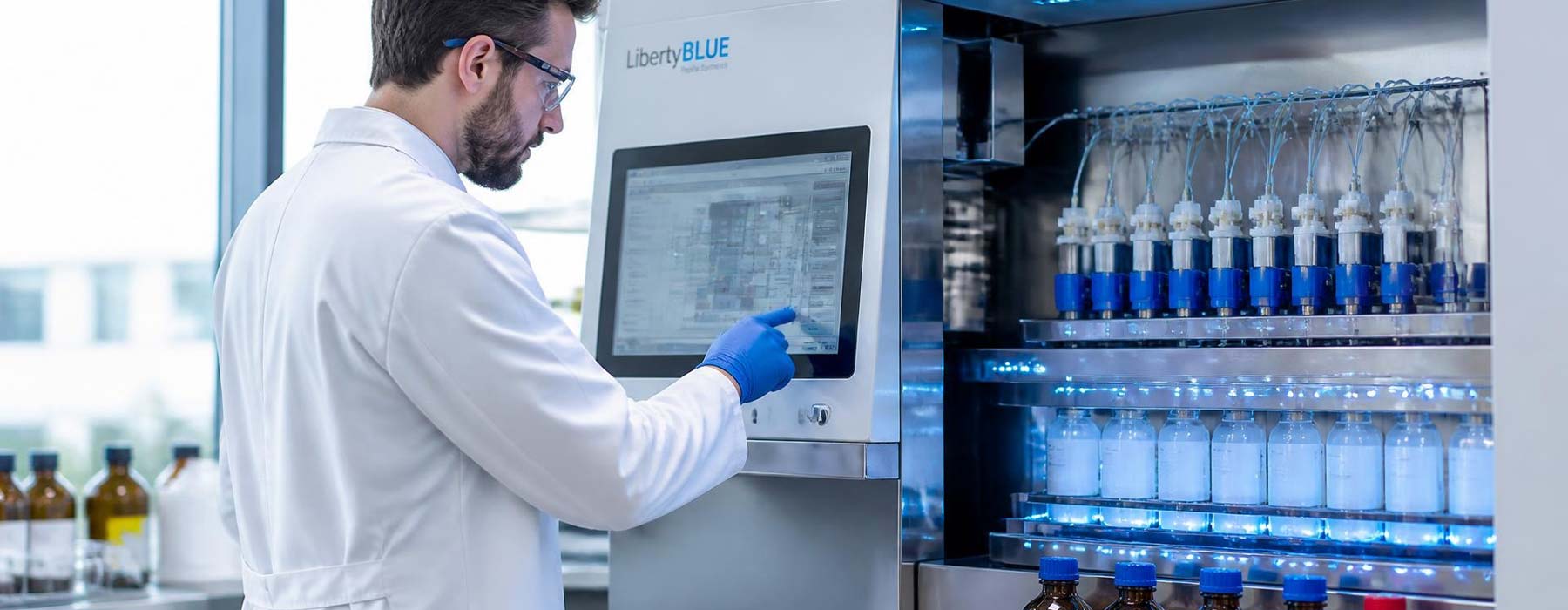
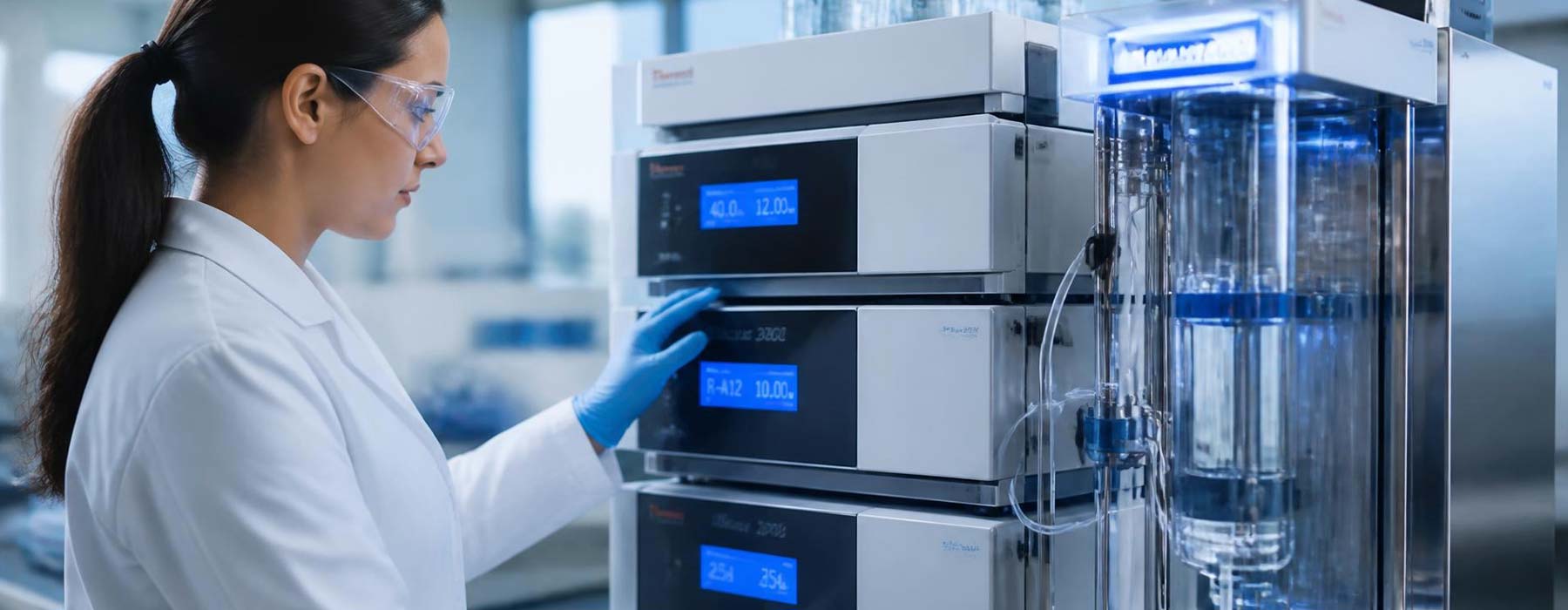
A peptide purification system generally includes buffer preparation systems, solvent delivery systems, fraction collection systems, data collection systems, and columns and detectors that sit at the center of the process.
The column is the heart of the system. Columns can be made from glass or steel and may operate under static or dynamic compression, both of which influence efficiency. Every step should follow Good Manufacturing Practices (GMP), with a strong emphasis on cleanliness and documentation.
Common Purification Methods
Several chromatographic methods are used, often in combination, each exploiting a different property of the peptide:
- Ion Exchange Chromatography (IEX) separates peptides by charge. Peptides bind to the column according to their charge and are eluted by adjusting salt concentration or pH, offering high resolution and capacity.
- Hydrophobic Interaction Chromatography (HIC) exploits hydrophobic interactions with the column surface. Often run after IEX, it uses a high ionic-strength buffer to enhance binding, then gradually reduces salt to elute the peptide.
- Affinity Chromatography (AC) uses specific ligand-peptide interactions to isolate a target. Because binding is reversible, the peptide can be released by competitive ligands or changes in pH, polarity, or ionic strength, giving high resolution and capacity.
- Reversed Phase Chromatography (RPC) separates peptides by hydrophobic interaction, eluting with increasing concentrations of organic solvents such as acetonitrile. It is widely used for cleanup and analytical work, though organic solvents can denature peptides and affect activity.
- Gel Filtration (GF) separates peptides by molecular size and is best suited to small-volume samples, offering good resolution.
GMP and Process Considerations
Following GMP ensures reproducibility, safety, and consistent quality. Key parameters worth monitoring include column loading and performance, flow rate, the composition of elution buffers, fraction pooling and storage, cleaning procedures, and total time in process. Thorough documentation of every chemical and analytical procedure is essential to maintain standards and allow the process to be replicated.
Removing Specific Impurities
Peptides can carry several synthesis-related impurities, including hydrolysis products of labile amide bonds, deletion sequences from solid-phase peptide synthesis, diastereomers, insertion peptides or by-products from protecting-group removal, and polymeric or cyclic peptides with disulfide bonds. Purification methods must be chosen carefully to isolate the desired peptide from this complex mixture while preserving its integrity.
Share this article
Follow us
Latest articles

July 18, 2026
July 18, 2026
July 18, 2026